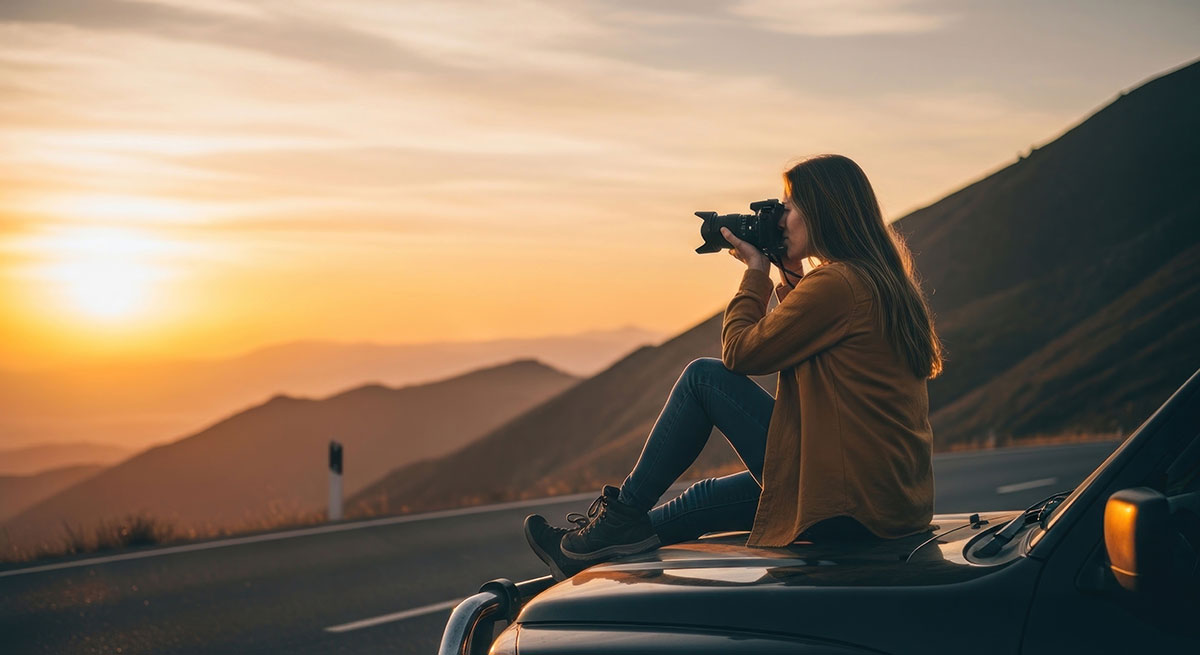
Traveling across the United States gives you a chance to see the country in constant motion. Highways stretch for miles, landscapes shift from deserts to forests, and cities move with their own energy and rhythm. Photography is one of the best ways to hold onto those moments. It turns travel into something you can revisit long after the trip is over.
For Mitchell Seaworth, photography has become an important part of road trips. It is not just about taking pictures. It is about noticing details, slowing down, and capturing the feeling of being on the road.
Seeing the Road Differently
A road trip is more than a drive from one place to another. It is a collection of moments that change as you move. Photography helps you notice those moments more clearly.
The road itself can be a subject. Long highways, empty stretches, and winding routes all tell a story. A simple photo of an open road can capture the feeling of freedom and movement.
Mitchell Seaworth has often found that the best road photos are taken when you are not rushing. Pulling over, stepping out of the car, and taking a moment to look around can lead to some of the most meaningful shots.
Capturing Landscapes Along the Way
The United States offers a wide range of landscapes that change dramatically from region to region. Each one presents its own opportunities for photography.
Deserts and Open Spaces
Desert landscapes are all about space and light. The wide open sky and long shadows create strong visual contrasts. Early morning and late afternoon are the best times to capture these areas because the light is softer and warmer.
Simple compositions work best in deserts. A single rock formation or a long road cutting through the land can be powerful on its own.
Mountains and Elevation
Mountain landscapes bring depth and scale to photography. Layers of peaks, trees, and clouds create natural compositions that feel dynamic.
Changing weather conditions can also add interest. Fog rolling through valleys or sunlight breaking through clouds can transform a simple scene into something dramatic.
Lakes and Forests
Forests and lakes offer calm and reflection. Still water often creates mirror-like images that double the impact of the scene. Trees and greenery add texture and depth.
These environments are perfect for slower photography. Taking time to frame the shot and wait for the right moment often leads to better results.
City Life in Motion
Cities bring a different kind of energy to photography. Everything moves faster, and there is always something happening. Capturing city life means paying attention to movement, light, and people.
Street Photography Moments
Street photography is about capturing everyday life. People walking, crossing streets, or interacting with their environment can tell powerful stories.
The key is to stay observant. Moments happen quickly, and being ready to take the shot is important.
Night Photography in Cities
At night, cities change completely. Lights from buildings, cars, and streets create patterns and reflections. Long exposure shots can show movement in a way that feels almost cinematic.
Mitchell Seaworth has found that city photography at night often reveals a side of travel that feels completely different from daytime exploration.
Capturing Movement on the Road
One of the challenges of travel photography is capturing motion. Everything is constantly changing, from passing cars to shifting landscapes.
Using Motion to Tell a Story
Motion can add energy to a photo. Blurred backgrounds, moving vehicles, or flowing water can help show that a scene is alive.
Instead of trying to freeze everything, sometimes it is better to let motion become part of the image.
Timing and Patience
Good timing is essential. Whether it is a sunset, a passing train, or a wave hitting the shore, waiting for the right moment makes a big difference.
Patience is part of the process. Not every shot will work out, but the right one is often worth the wait.
Simple Tools, Strong Results
Travel photography does not require expensive equipment. A phone camera or basic camera can capture excellent images when used thoughtfully.
What matters most is how you see the world around you. Composition, lighting, and attention to detail are more important than gear.
Mitchell Seaworth often focuses more on timing and perspective than on equipment. The goal is to capture the moment, not to rely on tools.
Editing with a Light Touch
Editing can improve photos, but it should not change the feeling of the moment. Small adjustments to brightness, contrast, or color can help bring out details without making the image feel unnatural.
The best edits are subtle. They enhance the photo without distracting from it.
Building a Visual Travel Story
Photography during road trips works best when it tells a story. Instead of taking random pictures, think about how each image fits into the journey.
A road, a landscape, a meal stop, and a city scene can all work together to show the full experience of travel.
Mitchell Seaworth has found that looking back at a series of photos often feels like reliving the trip in order. Each image becomes a chapter in the story of the road.
Lessons from Photographing the Journey
Travel photography teaches patience, observation, and appreciation. It encourages you to slow down and notice details that might otherwise be missed.
It also shows that beauty is not limited to famous landmarks. It can be found in small towns, quiet roads, and everyday moments.
Over time, photography becomes more than just a hobby. It becomes a way of seeing the world.
Conclusion
Capturing America in motion is about more than taking pictures. It is about understanding the rhythm of travel and finding meaning in the moments between destinations.
From open highways to busy cities, from quiet landscapes to moving roads, every part of the journey offers something worth capturing.
For Mitchell Seaworth, photography has become a way to connect with travel on a deeper level. It turns each trip into a collection of memories that can be seen, shared, and remembered long after the road ends.