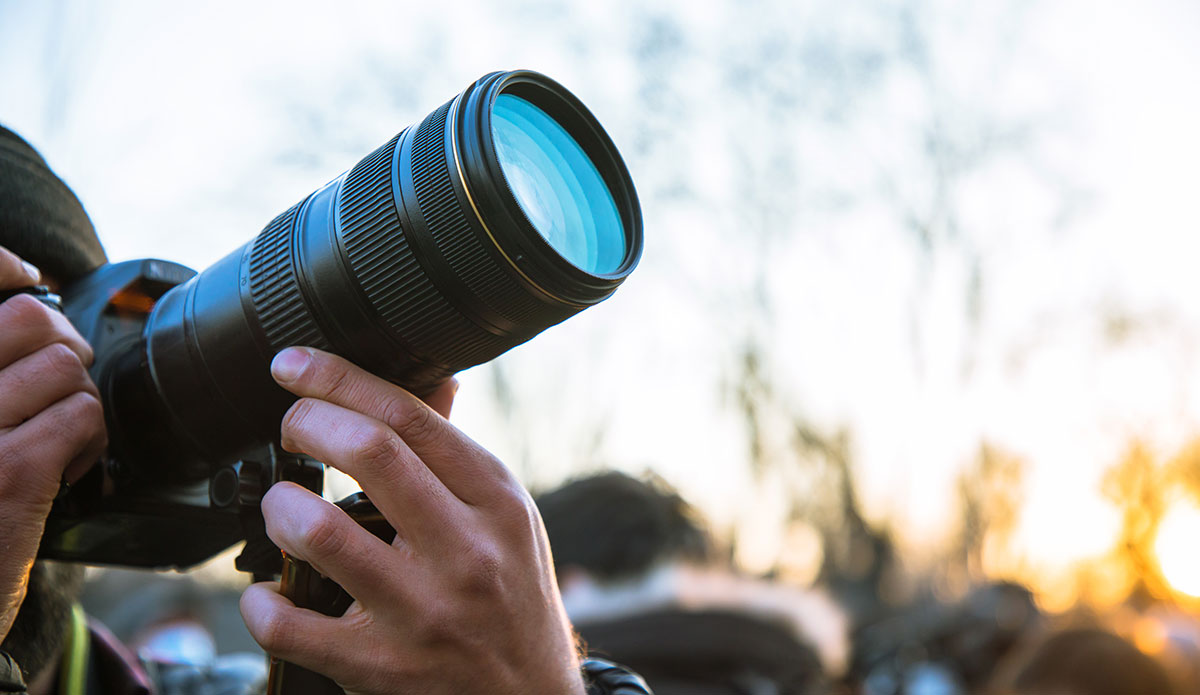
Travel photography has always been one of the best ways for me to remember the places I visit and the experiences that come with them. A strong photo can bring back a feeling, a sound, or even the mood of a specific moment. For me, it is never about having the most expensive camera. It is about paying attention and knowing when to take the shot.
After traveling across many states and spending time in national parks, ballparks, and small towns, photography has become part of my journey rather than something separate from it. I have learned that the best photos usually come from simple moments that are easy to miss if you are not fully present.
Start with What You Have
One of the biggest lessons I have learned is that you do not need fancy equipment to take meaningful photos. A phone camera is more than enough if you understand how to use it well.
Light, timing, and composition matter far more than gear. Natural light is always my starting point. Early morning and late afternoon usually produce the most interesting colors and shadows, while midday light can be harsh. Adjusting your angle can completely change the result.
I often remind myself that the best camera is the one I already have with me. Being ready to take a photo at any moment means I never have to rely on perfect conditions.
Capturing Landscapes
Landscapes are one of my favorite subjects in travel photography. The United States gives me everything from deserts to mountains to coastlines, and each environment has its own personality.
Find a Strong Focal Point
A good landscape photo usually needs one clear subject. It could be a mountain peak, a tree, a river, or even a road disappearing into the distance. That focal point gives the viewer something to follow.
Use Natural Light
Lighting changes everything. Sunrise and sunset are especially powerful because the light is softer and warmer. Colors become richer and shadows add depth.
Include Depth
I always try to think in layers. A foreground, middle ground, and background help a photo feel more complete. Even something simple like rocks in the front and mountains in the distance can create that sense of depth.
Photographing Sports Moments
Sports photography is all about timing and energy. Whether it is a baseball game, a local match, or a stadium event, I have learned that patience matters just as much as speed.
Watch the Game First
Before I even lift the camera, I try to understand the rhythm of what is happening. In baseball, for example, I start to anticipate swings, slides, or big defensive plays.
Focus on Emotion
The strongest sports photos are not always the action shots. They are often emotional moments like a celebration, frustration, or focus before a pitch. Those moments tell a deeper story.
Stay Ready
Sports move fast, so I keep my camera ready at all times. Sometimes the best shot only exists for a split second, and missing it is part of the learning process.
For me, sports photography has become one of the best ways to capture energy in its most real form.
Capturing Real Moments
Some of the most meaningful photos I have taken were not planned at all. They happened naturally during travel, often when I was not actively thinking about photography.
Be Observant
I pay attention to what is happening around me, especially when people are relaxed and not posing. That is usually when the most honest moments appear.
Keep It Natural
I try not to interrupt the moment. Candid photos often feel more real because they are not staged or forced.
Tell a Story
Every good travel photo should tell a story. I think about what is happening before and after the moment I capture, not just the frame itself.
Composition Tips for Better Photos
Composition is how everything is arranged inside the frame. Small changes can completely improve a photo.
Rule of Thirds
I often imagine a grid over my image and place the subject along those lines or intersections. It helps create balance without overthinking it.
Leading Lines
Roads, rivers, fences, or paths naturally guide the eye through a photo. I use them to create direction and movement.
Keep It Simple
When in doubt, I simplify. A clean image usually stands out more than one that tries to include too much.
Editing Without Overdoing It
Editing is useful, but I try to keep it minimal. Small adjustments to brightness, contrast, and color can enhance a photo without changing its natural feel.
The goal is always the same: make the image feel like what I actually saw, not something artificial.
Learning Through Practice
Photography is something I have improved through repetition. The more I shoot, the more I understand timing, lighting, and composition.
Not every photo works out, and I have learned to accept that as part of the process. Travel helps with this because every place offers something new to observe and capture.
What matters most to me is consistency, not perfection. The more I practice, the more confident I become in recognizing good moments.
Final Thoughts
Travel photography is not just about taking pictures. For me, it is about paying attention to the world around me and capturing moments that actually mean something.
Whether it is a wide landscape, a fast sports moment, or a quiet scene on the road, every photo becomes part of a larger story.
I have learned to stay curious, stay ready, and keep things simple. Great photos do not require perfect conditions. They just require awareness.
For me, photography has become a way to remember journeys, connect with experiences, and appreciate the places I have been. Every trip becomes a collection of stories, and every photo becomes a piece of that story worth keeping.